Source Durable Soft Rubber Shoe Charms for Clogs, Crocs, and Sandals
Explore 30 listings for durable soft rubber shoe charms designed for clogs, Crocs, and sandals. Compare PVC and silicone options with custom designs, 3D effects, and eco-friendly features from Fujian suppliers to find the right shoe accessories for your needs.
Key considerations
Products List


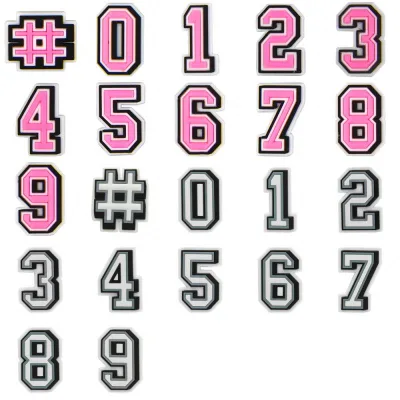
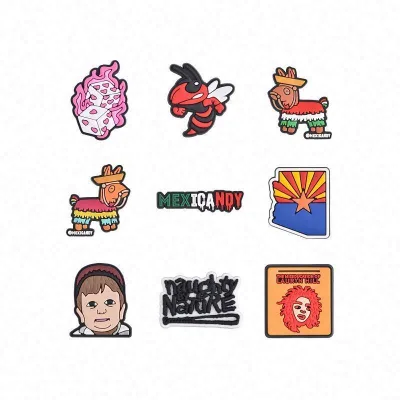



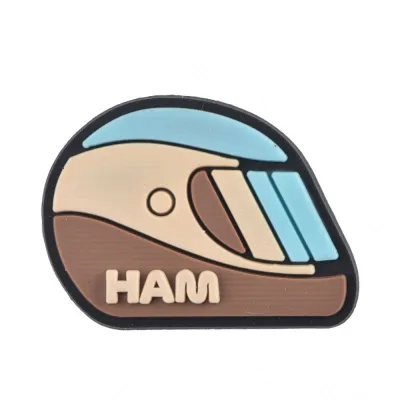
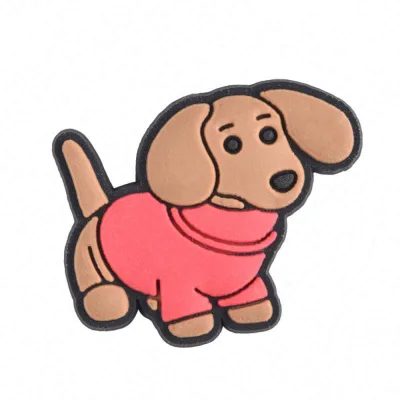

Comprehensive Sourcing Guide
Durable Soft Rubber Shoe Charms Sourcing Guide
Procurement teams must first distinguish between the specific material claims observed in listings, as some products are explicitly described as PVC while others are listed as Silicone or Rubber. This variation is critical because the durability and softness of the final accessory depend heavily on the polymer formulation used by the manufacturer. Buyers should verify the exact material composition in the product specification sheet before committing to an order, ensuring the selected item matches the intended tactile feel and longevity requirements for the end-user market.
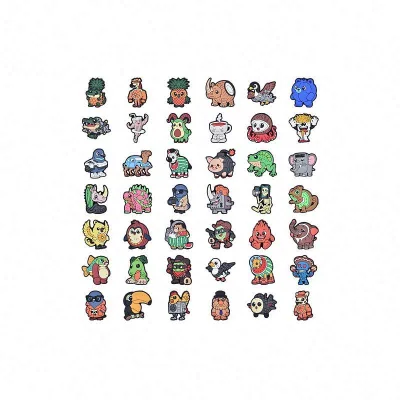
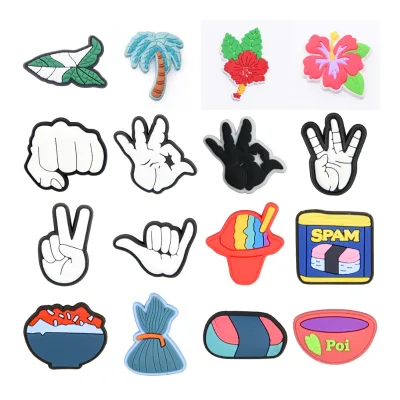
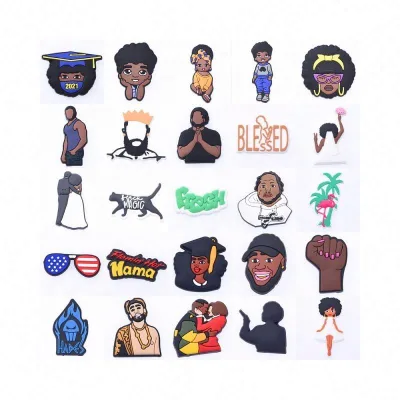
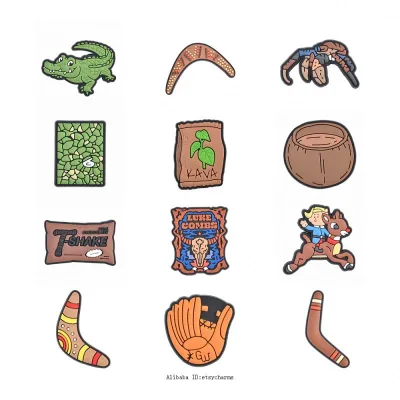
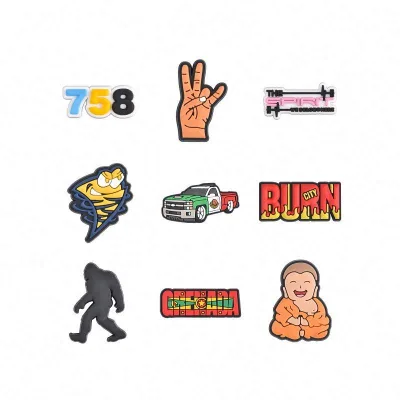
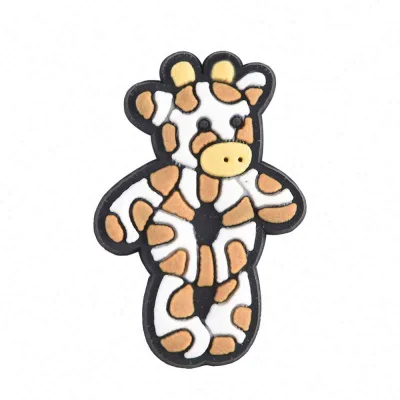
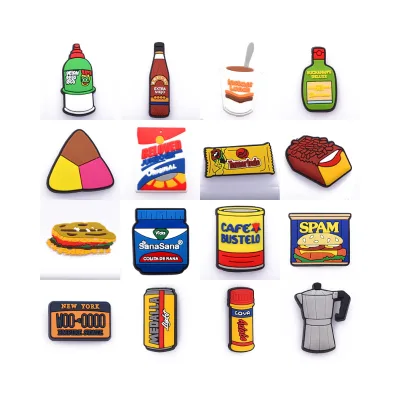
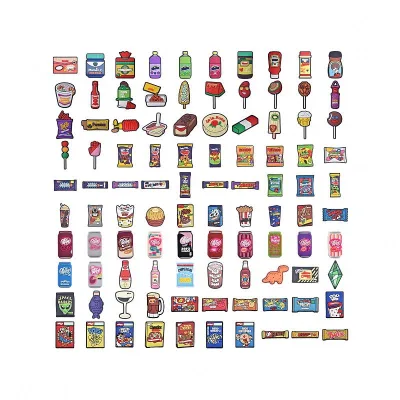
The observed product range includes various models such as Charm-10033 and Charm-250004, which feature distinct design elements like 3D effects or cartoon series figures. These variations indicate that the market offers a wide spectrum of aesthetic options, from simple charms to complex decorative pieces with added elements like chains or flowers. Sourcing strategies must account for this diversity by defining clear visual requirements early, as the customization capabilities for logos and designs vary significantly between different supplier capabilities and production lines.
Product Scope and Observed Listing Signals
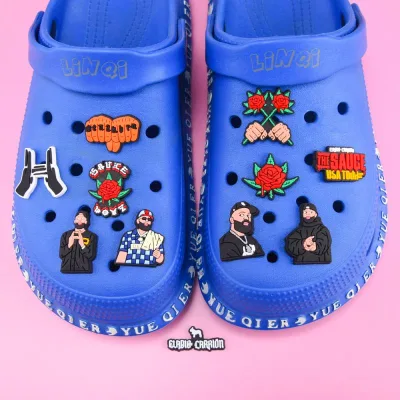
Buyers should analyze the listing signals to understand the typical application scope, which centers on shoe accessories and ornaments specifically designed for clogs and general footwear. The data indicates that these items function primarily as decorative additions to the vamp area of shoes, serving as a versatile accessory for unisex markets. Understanding this specific usage context helps in filtering suppliers who specialize in footwear embellishments rather than general plastic toys, ensuring the product fits the intended retail category and customer expectations.
The observed price range of $0.2 to $0.45 per unit suggests a highly competitive market with significant volume potential, yet the minimum order quantities can vary drastically from 10 pieces to 2000 pieces depending on the supplier. This discrepancy requires buyers to carefully align their inventory needs with supplier constraints, as some vendors may offer low MOQs for standard designs while requiring higher volumes for custom branding. Evaluating these commercial signals is essential for balancing initial investment costs against the flexibility needed for market testing and future scaling.
Technical Specifications to Verify
Verification of physical dimensions is a primary technical requirement, as observed listings specify sizes ranging from 2.5 to 3.5 cm with single package dimensions often around 2x2x2 cm or 3x2x1 cm. These measurements directly impact the aesthetic proportion of the charm on the shoe and the efficiency of packaging and shipping logistics. Buyers must confirm that the specific model selected meets the size constraints of their target footwear, ensuring the charm does not appear too large or too small for the intended shoe type.
Material consistency is another critical technical parameter, given that listings cite PVC, Silicone, and Rubber as available options for the same product category. Each material offers different properties regarding flexibility, weight, and resistance to wear, which must be validated against the specific performance needs of the product. Procurement teams should request physical samples to test the softness and durability claims, ensuring the material does not degrade quickly under normal wear conditions or fail to maintain its shape over time.
Compliance and Safety Documentation
Safety compliance is paramount when sourcing items intended for general consumer use, particularly those that may be handled by children or worn in close proximity to the skin. While the provided data mentions an OEM standard, it does not explicitly confirm specific safety certifications like ASTM or EN71, which are often required for plastic toys and accessories. Buyers must explicitly request test reports from the supplier to verify that the materials used are free from harmful substances and meet the safety regulations of the destination market.
The customization aspect of these charms introduces additional compliance considerations, as custom designs and logos must also adhere to safety standards regarding ink safety and material toxicity. Since the product features are described as eco-friendly in some listings, buyers should seek documented proof of these environmental claims to avoid greenwashing risks. Ensuring that all custom elements, including printed logos and added decorations, are compliant with relevant chemical regulations is essential for maintaining brand integrity and avoiding regulatory penalties.
Cost Drivers and Commercial Terms
The cost structure for these charms is heavily influenced by the complexity of the design and the level of customization required, such as specific logo placements or unique color combinations. Listings indicate that customization is available, which typically incurs higher unit costs and potentially higher minimum order quantities compared to standard stock items. Buyers should negotiate based on the volume of custom molds needed, as tooling costs can significantly impact the overall price per unit if the order volume is insufficient to amortize these expenses.
Commercial terms regarding packaging and shipping are also key cost drivers, with observed data showing packing configurations like 200 pieces per polybag and varying single package sizes. These packaging details affect the total shipping volume and weight, which directly influences freight costs and storage requirements at the destination. Procurement teams should clarify whether the supplier includes protective packaging to prevent damage during transit and negotiate terms that optimize the balance between unit price and logistics efficiency.
Supplier Qualification and Quality Control
Supplier qualification should focus on verifying the production origin and the consistency of their manufacturing processes, as the data points to Fujian, China as a primary location for these goods. Buyers must assess the supplier's capacity to maintain consistent quality across large batches, especially when dealing with custom designs that require precise molding and coloring. Establishing a clear communication channel for quality feedback is essential to ensure that the final products match the approved samples and meet the expected standards for durability and finish.
Quality control protocols must be established to address potential defects such as color inconsistencies, structural weaknesses, or improper attachment of decorative elements like chains and flowers. Since the product features include a 3D effect and various decorations, visual inspection criteria should be defined to catch any manufacturing flaws before shipment. Implementing a pre-shipment inspection process or requiring a third-party quality audit can help mitigate the risk of receiving substandard goods that could damage the buyer's reputation in the market.
Long-Term Procurement Checks
Long-term procurement success relies on establishing a reliable supply chain that can adapt to changing market trends and design preferences over time. Buyers should evaluate the supplier's ability to scale production up or down based on demand fluctuations, ensuring they can meet peak season requirements without compromising quality or delivery timelines. Building a strategic partnership with a supplier who demonstrates flexibility and responsiveness is crucial for maintaining a steady flow of inventory and minimizing supply chain disruptions.
Continuous monitoring of product performance and customer feedback is necessary to identify any recurring issues or areas for improvement in the charm designs. As the market evolves, the supplier should be willing to collaborate on new designs or material innovations to keep the product line competitive and relevant. Regular reviews of the supplier's performance against key metrics such as defect rates, on-time delivery, and responsiveness will help ensure that the long-term relationship remains mutually beneficial and productive.
FAQs
What materials are used for these durable soft rubber shoe charms?
These shoe charms are made from soft PVC, silicone, or rubber, giving them flexible and durable qualities for everyday wear on clogs. Material choice can affect texture, color detail, and 3D effect. Buyers should confirm the preferred material with the supplier before ordering, since listings may include multiple material options across different charm models and custom designs.
Can I order custom designs with my own logo on the charms?
Yes, customization is available, including custom styles, customized designs, and logos placed as custom designs on the upper part of the charm. You typically provide artwork or a sample for the supplier to reproduce in PVC, silicone, or rubber. Custom orders usually require a higher minimum quantity, so confirm the MOQ and design requirements before confirming production.
What is the minimum order quantity for these shoe charms?
The listed minimum order quantity for some models is 500PCS, while the product page also references 10pcs for certain items, so MOQ varies by model and customization level. Stock designs usually carry lower minimums, and fully custom charms tend to require larger quantities. Always confirm the exact MOQ for the specific charm design you intend to order.
How much do durable soft rubber shoe charms cost per piece?
Listed pricing for these charms ranges from about $0.2 to $0.45 per piece, though the overall page shows items from $0.05 to $0.45. Final pricing depends on material, size, 3D effect detail, order quantity, and customization. Request a formal quotation based on your chosen design, material, and MOQ to get an accurate unit price.
What sizes are these clog shoe charms available in?
The charms come in sizes of approximately 2.5 to 3.5 cm, with some models listed in standard size, and single package sizes around 2X2X2 cm or 3X2X1 cm. This range fits standard clog holes and vamp decoration positions. If you need a specific dimension for custom designs, confirm size tolerance with the supplier before mass production begins.
Where are these shoe charms produced and how are they packed?
The charms are produced in Fujian, China, with some listings noting a general origin of China. Packing references include 200 pieces per polybag, with single gross weight around 0.003 kg per unit and selling units as single items. Packaging can often be adjusted for bulk shipments, so discuss polybag counts, carton sizes, and labeling with the supplier early.
Which features make these charms suitable for shoe decoration?
Key features include eco-friendly material, washable surfaces, 3D effect detailing, and a lovely cartoon series figure style. They attach to the vamp of clogs as shoe accessories or ornaments and are unisex. Rubber and silicone construction keeps them soft and flexible, which helps them resist cracking during repeated wear, washing, and everyday use on shoes.
Can these charms be ordered in different colors?
Yes, colors can be customized, and the listing references a wide set of color codes for standard options. Because the charms are molded from PVC, silicone, or rubber, custom color matching is generally possible for bulk orders. Provide a Pantone reference or physical sample when requesting custom colors, and confirm any color-related MOQ or pricing impact with the supplier.